
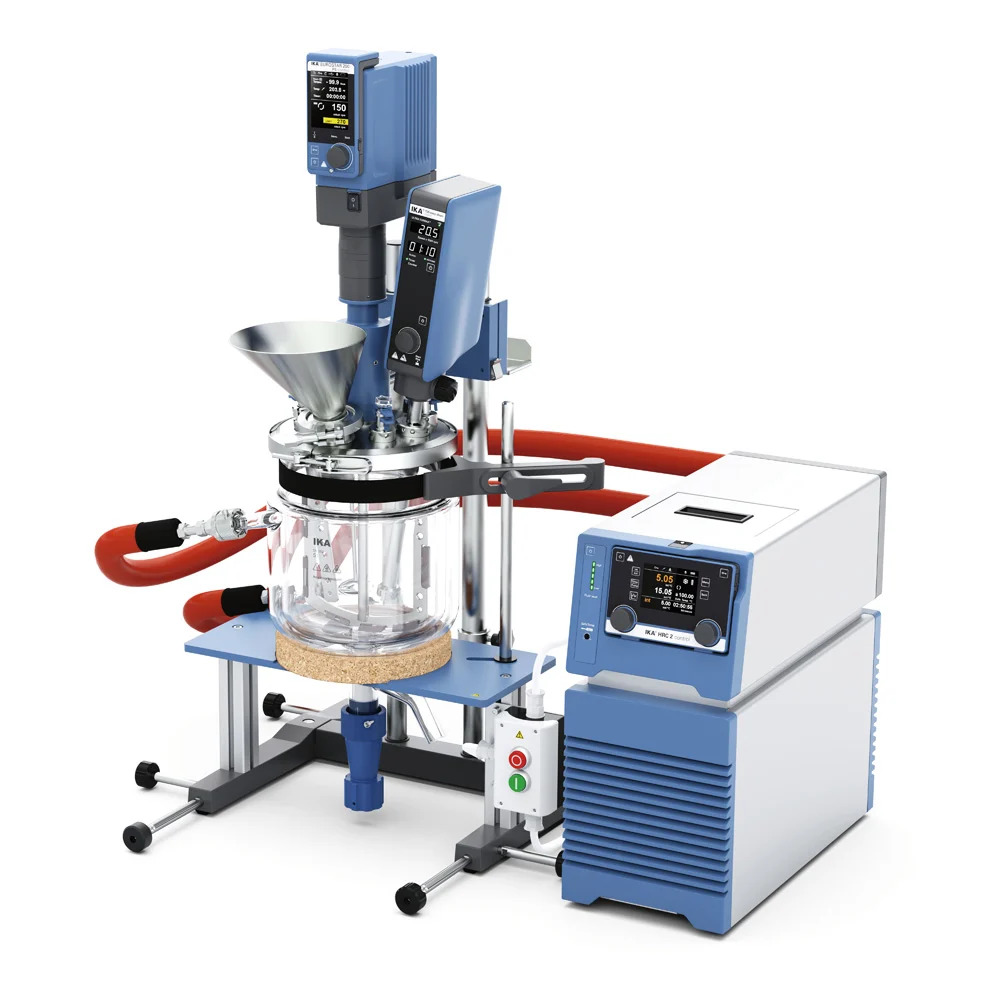
In the world of advanced chemical and pharmaceutical research, the transition from basic glassware to a high-performance laboratory reactor represents a significant leap in both safety and precision. As we navigate the complex synthesis requirements of 2026, the ability to control every variable-temperature, pressure, and stirring speed-with absolute accuracy is the key to achieving reproducible results. A standardized benchtop reactor allows researchers to simulate industrial-scale conditions on a smaller footprint, providing the data needed to move a project from the “discovery” phase to pilot production with confidence.
The selection of a laboratory reactor is one of the most critical decisions for a research facility. Using the wrong equipment can lead to inconsistent batches, thermal runaway, or the degradation of expensive catalysts. Conversely, a well-engineered benchtop reactor provides a stable environment that maximizes the surface-area-to-volume ratio, ensuring efficient heat transfer and thorough mixing. This guide explores the essential factors to consider when choosing and operating a reactor to ensure your experimental outcomes are optimized for both purity and yield.
Precision Thermal Management and Control
The defining feature of a high-end laboratory reactor is its ability to maintain a constant temperature profile, regardless of the reaction’s exothermic or endothermic nature. Modern systems use highly efficient oil jackets or electric heating mantles paired with digital PID controllers. In a benchtop reactor, even a minor temperature fluctuation can alter the reaction kinetics and lead to unwanted byproducts. By utilizing a reactor with precise thermal feedback, researchers can safely execute sensitive transformations that would be impossible in a traditional round-bottom flask.
Enhancing Mass Transfer Through Efficient Stirring
Proper agitation is vital for reactions that are limited by mass transfer, such as gas-liquid or solid-liquid interactions. A professional laboratory reactor features a magnetic or mechanical drive that can maintain consistent torque even as the viscosity of the reaction mixture changes. When configuring a benchtop reactor, selecting the right impeller design (such as a turbine or anchor) is essential for ensuring that reactants are perfectly combined. High-torque stirring ensures that there are no “dead zones” in the vessel, leading to faster reaction times and higher-purity final products.
Safety Protocols for High-Pressure Synthesis
Safety is the non-negotiable foundation of all laboratory work. A modern laboratory reactor is equipped with multiple layers of protection, including over-pressure relief valves, rupture disks, and automated “emergency-off” switches. For experiments involving hazardous gases or high-pressure states, a benchtop reactor made from high-grade alloys like Hastelloy or Stainless Steel provides the necessary structural integrity. These safety features allow researchers to explore high-energy chemistry with peace of mind, knowing that the equipment is designed to fail safely in the event of an anomaly.
Integrating Real-Time Data and Automation
In the era of “Digital Chemistry,” a laboratory reactor is often integrated with sensors that track pH, pressure, and gas consumption in real-time. This data-driven approach allows for the creation of a “digital twin” of the experiment, which is invaluable for process optimization. High-performance benchtop reactor systems can be programmed to follow complex multi-step protocols, adjusting parameters automatically based on the reaction progress. This automation reduces the likelihood of human error and ensures that every experiment is documented with scientific rigor.
Conclusion
Experimental success is a blend of creative chemistry and rigorous engineering. By empowering your lab with the right tools, including advanced Batch reactors, you can overcome the limitations of the past and reach new heights of scientific discovery. A high-performance reactor is more than just a vessel; it is a precision instrument that provides the clarity and consistency required for the next generation of chemical breakthroughs.